Common Mistakes to Avoid in Furniture Restoration
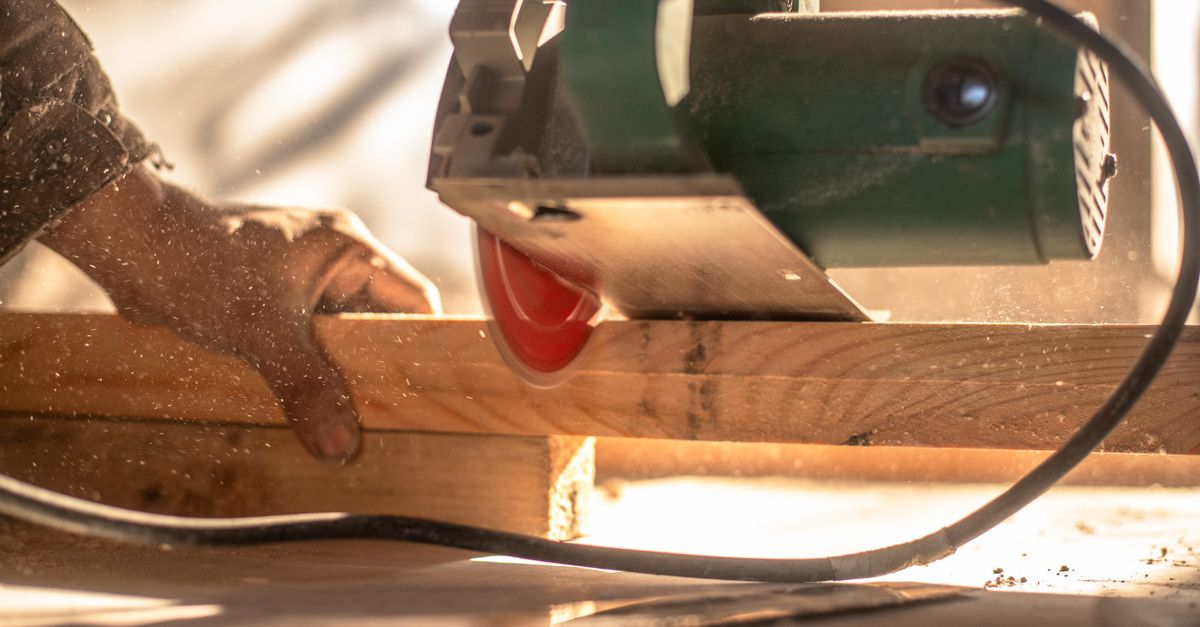
Table Of Contents
Disregarding Historical Accuracy
Historical accuracy plays a crucial role in furniture restoration. Many restorers overlook the significance of maintaining the original design and craftsmanship that define a piece’s identity. Not only does disregarding these elements undermine the authenticity of the restoration, but it also diminishes the piece's value. Each era has distinct styles, materials, and construction techniques. Understanding these aspects ensures that restoration work respects the original intent and character of the furniture.
Failing to consider historical accuracy can lead to the use of inappropriate materials or techniques that clash with the piece's timeline. Modern adhesives and finishes, while convenient, may not align with the original manufacturing methods. This can result in damage or deterioration over time, further complicating future restoration efforts. Careful research and a commitment to historical detail are essential for achieving a successful restoration that preserves the story and legacy of the furniture.
Researching Authentic Techniques and Materials
Understanding the historical context of the furniture you are restoring is crucial. Each period features distinct styles and construction methods, which should be reflected in the restoration process. Researching original techniques can require delving into books, online resources, and visiting museums or antique shops. Engaging with experts or attending workshops can also provide valuable insights. Pay attention to the specific materials used in the original pieces, as these choices greatly affect both aesthetics and durability.
When selecting materials for your project, ensure they are appropriate for the era and style of the furniture. This may involve sourcing period-specific woods and finishes that replicate the original look and feel. Be cautious of modern substitutes that might not hold up as well or detract from the piece's authenticity. Keeping an eye on quality and sustainability is equally important. Authentic restoration not only highlights the item's heritage but also enhances its value for future generations.
Failing to Test Finishes
One common oversight in furniture restoration is skipping preliminary tests on finishes. Applying a final coat without testing can lead to unexpected results, altering the piece's appearance and potentially damaging the underlying materials. Different types of wood react uniquely to various finishes, and a lack of testing could mean that the desired sheen or colour is not achieved. It is essential to experiment with small samples first to ensure compatibility and satisfaction with the finish before proceeding with the entire surface.
Moreover, lighting conditions can vastly change the way a finish appears, making testing in various environments crucial. Not only should the texture and adhesion be examined, but the durability of the finish should also be assessed. A finish that looks beautiful under natural light may not hold up as well under fluorescent bulbs, leading to an unexpected disappointment. Investing the time to test finishes thoroughly saves time and effort in the long run and ensures a high-quality restoration job.
Conducting Sample Tests Before Application
Testing finishes on a small inconspicuous area before full application is essential for achieving desired results. This allows restorers to assess how the material interacts with the furniture, identifying potential issues such as colour change or adverse chemical reactions. A sample test can provide insight into the final appearance of the piece, ensuring that the chosen finish harmonises with the original character of the furniture.
Taking the time to conduct these preliminary tests can prevent costly mistakes. Failure to test could result in uneven finishes, peeling, or discolouration when the product is applied broadly. By experimenting with various products or techniques on a sample piece or hidden area, restorers can gather valuable information, ensuring that the restoration process is both effective and visually appealing.
Improper Handling of Tools
Using tools incorrectly can lead to accidents and damage to both the furniture and the user. Not familiarising oneself with specific tools can result in ineffective restoration, causing more harm than good. For example, applying excessive force while using a chisel can gouge wood, leaving permanent marks that detract from the piece's appearance. Understanding the proper usage and limits of each tool is crucial in maintaining safety and achieving desired results.
In addition to safety hazards, improper technique can lead to wasted time and resources. Attempting to rush through tasks often leads to careless mistakes that could have been avoided with more attention to detail. Regular maintenance of tools is equally important; dull blades or malfunctioning equipment can hinder the restoration process and create a frustrating experience. Investing time in learning best practices and ensuring tools are in optimal condition pays off in the quality of the finished work.
Utilising Tools Safely and Effectively
Utilising the right tools is essential for achieving success in furniture restoration. Beginners often neglect to familiarise themselves with the operation and purpose of each tool. Taking the time to read instructions and practicing on less valuable items can improve proficiency. Proper tool selection also plays a significant role. For instance, choosing a quality paintbrush can result in a smoother finish compared to a cheaper option.
Safety should always be a top priority when handling tools. It is crucial to wear protective gear such as goggles and gloves to prevent accidental injuries. Keeping a clean workspace reduces the risk of accidents. Ensuring tools are well-maintained also contributes to safer usage; dull blades or faulty equipment can lead to mishaps. Regular checks on tools can help maintain their effectiveness and protect the user from unexpected failures.
FAQS
What should I consider when researching historical accuracy in furniture restoration?
When researching historical accuracy, consider the period of the furniture, the original materials used, and the techniques that were common during that time. This will ensure that your restoration is faithful to the item's history.
Why is it important to test finishes before applying them to furniture?
Testing finishes is crucial as it allows you to see how different products react with the furniture's surface. This helps prevent unwanted outcomes like discolouration or damage, ensuring the final result meets your expectations.
How can I effectively conduct sample tests for finishes?
To effectively conduct sample tests, apply the finish on a small, inconspicuous area of the furniture or on a similar piece of wood. Observe the drying time, colour changes, and overall appearance before making a decision on the final application.
What are some common mistakes in handling tools during furniture restoration?
Common mistakes include using the wrong tools for the job, neglecting safety precautions, and failing to maintain equipment. Proper training and understanding how to use each tool helps avoid accidents and ensures better results.
What safety measures should I take when using tools for furniture restoration?
Always wear appropriate personal protective equipment such as safety goggles and gloves, ensure your workspace is well-ventilated, and keep tools in good condition. Familiarise yourself with each tool's operation to prevent injuries.
Related Links
Sustainable Practices in Furniture RestorationThe Benefits of Professional Furniture Restoration
The Role of Joinery in Successful Furniture Restoration
Bringing New Life to Old Dressers: A Step-by-Step Guide
Exploring the History of Furniture Restoration Techniques